

What is nystagmus?
Nystagmus is a rhythmic, repetitive movement of the eyes that the person cannot control. The movement may be horizontal, vertical or rotary, and usually affects both eyes. It is also known as “eye tremor”.
Types
- Congenital (infantile) nystagmus: Usually noticed in the first months of life. It may occur with certain eye conditions that affect the development of the visual system, or without any other disease.
- Acquired nystagmus: Appears later in life. It can develop due to conditions affecting the brain or the balance system of the inner ear, certain medicines or other diseases, and must always be investigated.
Symptoms
- Involuntary, repetitive eye movements
- Reduced visual acuity
- Holding the head in a particular position to find the direction of gaze where the movement is least
- In acquired nystagmus, the sensation that surrounding objects are moving
Diagnosis
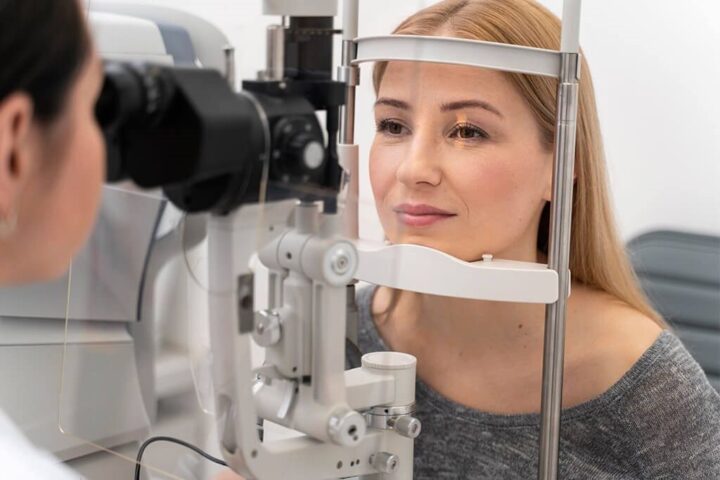
Diagnosis is based on a detailed eye examination, assessment of eye movements and measurement of visual acuity. Further tests may be requested to look for an eye or nervous system condition that could be causing the nystagmus.
Treatment
Treatment depends on the type of nystagmus and its underlying cause. Correcting refractive errors with glasses or contact lenses can noticeably improve vision. Any associated eye disease is treated first. In some patients who constantly turn their head to one side, eye muscle surgery may be performed to correct the head position and reduce the movement. In acquired nystagmus, treating the underlying cause is essential.
When should you see an ophthalmologist?
If you notice your baby’s eyes shaking, or if as an adult you develop new eye tremor, dizziness or visual disturbance, have an eye examination without delay.
The information on this page is for general information only and does not replace an examination. Please consult your ophthalmologist for diagnosis and treatment.