

What is keratoconus?
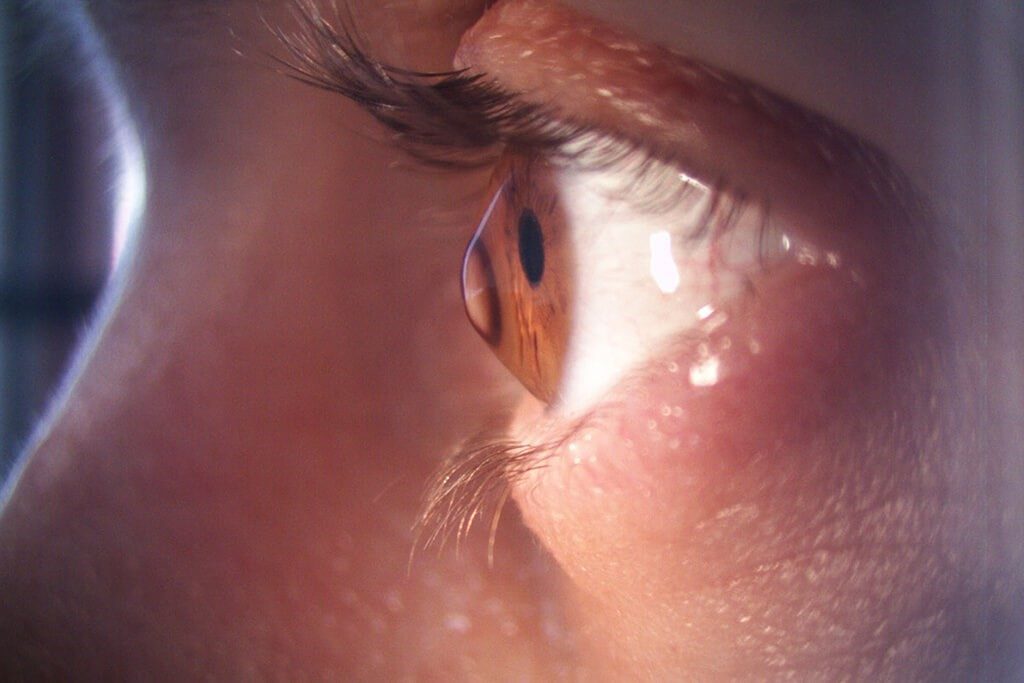
The cornea is the clear, dome-shaped front surface of the eye and provides most of the eye’s focusing power. In keratoconus the cornea gradually thins and bulges forward into a cone shape. This irregular surface cannot focus light properly, so vision becomes blurred and distorted.
The condition usually begins in adolescence or early adulthood and most often affects both eyes, although to different degrees. The rate of progression varies: in some people it stays stable for years, in others it progresses faster.
Symptoms
- Blurred or distorted vision, double or multiple images
- Frequent changes in glasses prescription, especially astigmatism
- Sensitivity to light, halos and glare around lights at night
- Glasses no longer providing clear vision
Who is at risk?
The exact cause is not fully understood, but genetic predisposition plays an important role and the risk is higher if a family member has keratoconus. Frequent, vigorous eye rubbing, allergic eye disease and certain genetic syndromes have also been linked to the condition. People with keratoconus are therefore advised to avoid rubbing their eyes.
Diagnosis
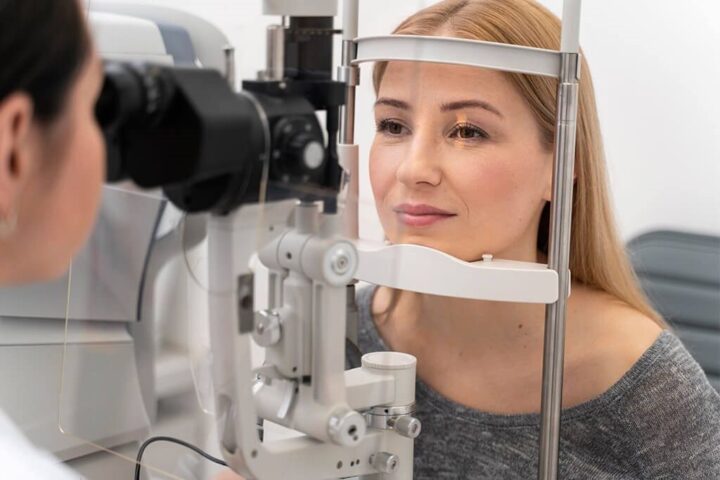
Diagnosis is made with a detailed eye examination. Corneal topography, which maps the surface of the cornea, and measurements of corneal thickness are key to detecting the condition early and monitoring it. Regular check-ups show whether it is progressing.
Treatment
Treatment is planned according to the stage of the disease and whether it is progressing:
- Glasses and contact lenses: Glasses may be sufficient in the early stages. As the cornea becomes more irregular, rigid gas-permeable or specially designed lenses give clearer vision.
- Corneal cross-linking: In progressive keratoconus, it aims to slow or stop progression by strengthening the corneal tissue.
- Intracorneal ring segments: May be used in suitable patients to reshape the cornea.
- Corneal transplant: Considered in advanced cases with marked thinning or loss of corneal clarity.
When should you see an ophthalmologist?
If your glasses prescription changes frequently, you cannot see clearly with glasses, or keratoconus runs in your family, an eye examination is recommended. Early diagnosis matters so that treatments aimed at halting progression can be started in time.
The information on this page is for general information only and does not replace an examination. Please consult your ophthalmologist for diagnosis and treatment.