

What is night blindness?
Night blindness is marked difficulty seeing in dim light and in the dark. It is not a disease in itself but a symptom of various underlying conditions. A person with normal daytime vision may struggle in the evening, in poorly lit places or when moving from light into darkness.
Causes
- Retinitis pigmentosa and similar inherited retinal diseases: The light-sensitive cells of the retina gradually lose function; night blindness is often the first sign and the field of vision may narrow from the edges.
- Vitamin A deficiency: Vitamin A is essential for producing the substances needed to see in the dark. Poor nutrition or absorption problems can lead to deficiency.
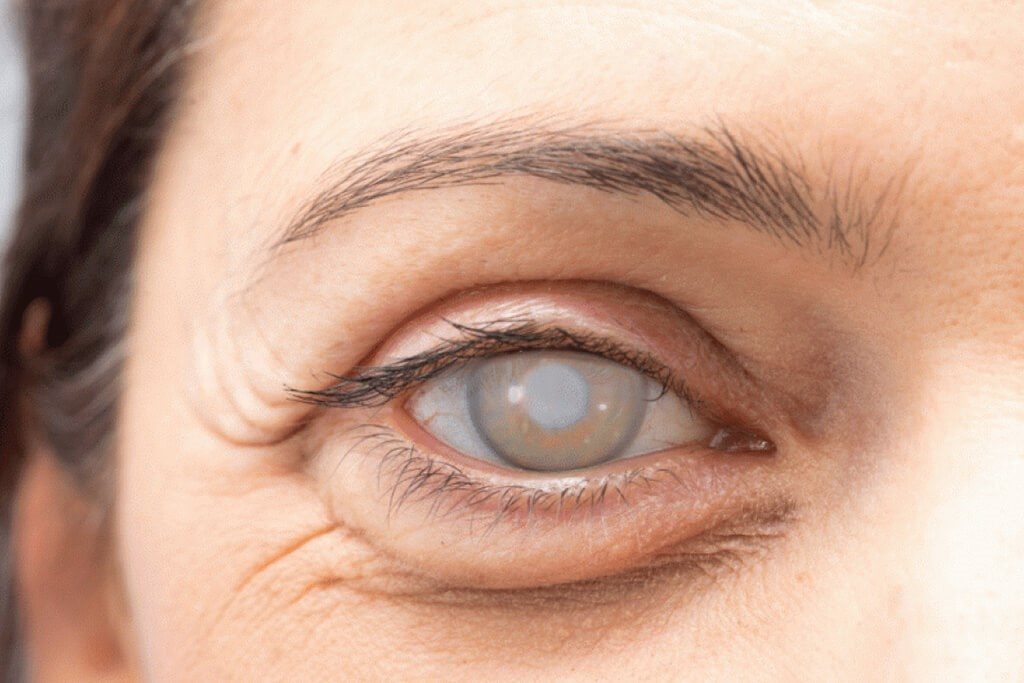
- Cataract: Clouding of the eye’s lens makes vision difficult especially in dim light and in headlight glare.
- High myopia and uncorrected refractive errors
- Certain medicines and other eye conditions such as glaucoma
Symptoms
- Difficulty seeing in the evening, at night and in dim places
- Trouble driving at night
- Slow adjustment when moving from light into darkness
- In some patients, narrowing of the visual field from the edges
Diagnosis
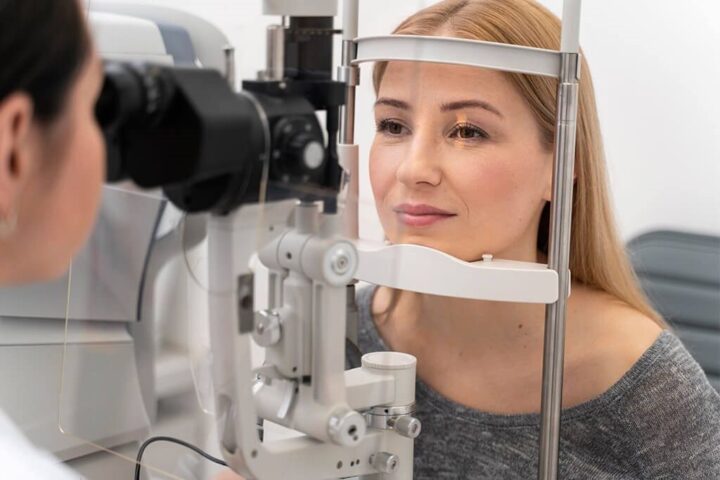
A detailed eye examination and examination of the back of the eye are essential. Depending on the suspected cause, visual field tests, tests that measure the electrical response of the retina and blood tests may be requested.
Treatment
Treatment targets the cause. Night blindness due to cataract can improve with surgery, and night blindness due to vitamin A deficiency with supplementation under medical supervision; refractive errors are corrected with glasses or lenses. In inherited retinal diseases, monitoring, low-vision aids and assessment of newly developing treatment options are important.
When should you see an ophthalmologist?
If you notice a clear decline in your vision in the dark, have difficulty driving at night, or have a family history of retinal disease, an eye examination is recommended.
The information on this page is for general information only and does not replace an examination. Please consult your ophthalmologist for diagnosis and treatment.