

What is Behçet’s disease?
Behçet’s disease is named after the Turkish dermatologist Prof. Dr. Hulusi Behçet, who described it in 1937. It is a chronic, relapsing disease in which inflammation of the blood vessels (vasculitis) is prominent. Recurrent mouth and genital ulcers, skin findings and eye involvement are among its most common features. Türkiye is one of the countries where the disease is most common.
Eye involvement in Behçet’s disease
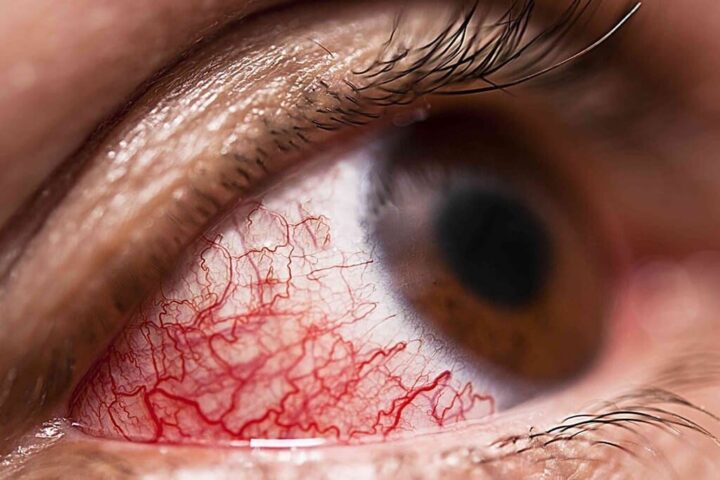
Eye involvement is one of the most important features of the disease because it can threaten sight. It usually appears as recurrent inflammation (uveitis) affecting the middle and back layers of the eye and may involve the retinal blood vessels. Attacks can begin suddenly and, if untreated, each attack can leave permanent damage.

Symptoms
- Blurred vision or sudden loss of vision
- Redness and pain in the eye
- Sensitivity to light
- Floaters in the field of vision
Diagnosis and follow-up
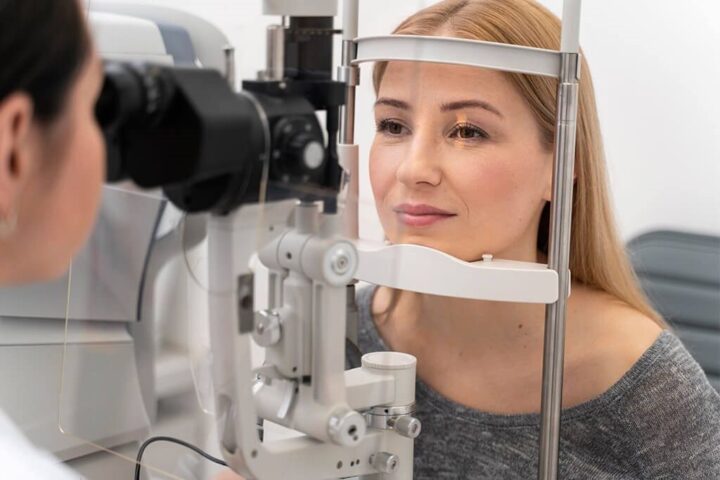
Behçet’s disease is diagnosed on clinical findings; eye involvement is assessed with a detailed eye examination, examination of the back of the eye and, when needed, tests such as angiography. Patients diagnosed with Behçet’s disease are advised to have regular eye check-ups even without eye symptoms.
Treatment
Treatment of eye involvement aims to suppress attacks and prevent new ones. Eye drops and corticosteroid treatments may be used during an attack. Medicines that regulate the immune system and, when needed, biological therapies are usually planned together with a rheumatologist to prevent attacks. Early and regular treatment is key to protecting vision.
When should you see an ophthalmologist?
If you have Behçet’s disease and notice redness, pain, blurred vision or a sudden drop in vision, see an ophthalmologist without delay.
The information on this page is for general information only and does not replace an examination. Please consult your ophthalmologist for diagnosis and treatment.