

Regardless of its severity, UVEIT is an urgent disease and requires immediate intervention.
If it is delayed, the disease progresses and may leave permanent side effects such as pupil deformities, cataracts, and increased eye pressure due to inflammation.
What is uveitis?
The uvea is the middle layer of the eye, between the outer wall and the retina, and plays an important role in nourishing the eye; it consists of the iris (the coloured part of the eye), the ciliary body and the choroid. Uveitis is inflammation of part or all of this layer. Because the inflammation can also affect nearby tissues, it can threaten sight if left untreated.
Types
- Anterior uveitis: Affects the iris and the front of the eye; the most common type.
- Intermediate uveitis: Affects the middle part of the eye and the vitreous gel.
- Posterior uveitis: Affects the choroid and the retina.
- Panuveitis: Affects all layers of the eye.
Causes
Uveitis may be associated with rheumatic and immune system diseases such as Behçet’s disease, ankylosing spondylitis and sarcoidosis, with certain infections, or with eye injury. In some patients no specific cause is found.
Symptoms
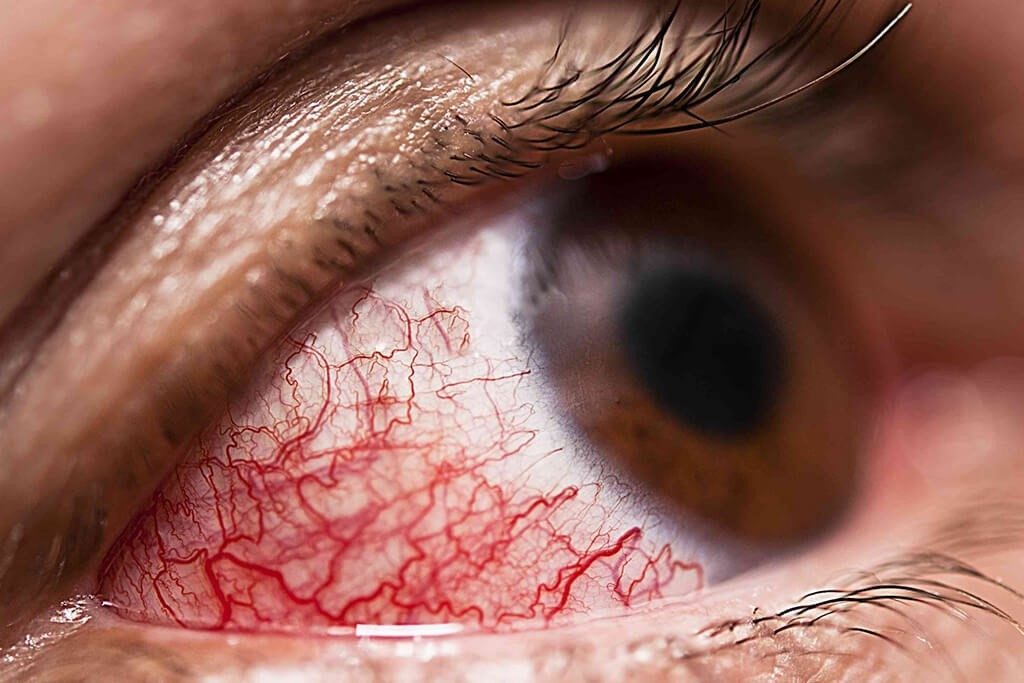
- Redness and pain in the eye
- Sensitivity to light
- Blurred vision
- Floaters in the field of vision
Diagnosis
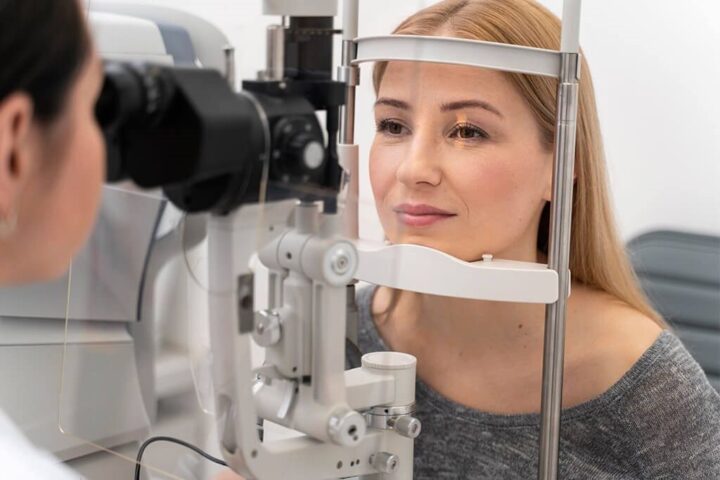
A detailed examination with a slit lamp, measurement of eye pressure and examination of the back of the eye are performed. To find the cause, blood tests, imaging and, when needed, assessment together with other specialties may be required.
Treatment
The aim is to bring the inflammation under control quickly and prevent permanent damage. Corticosteroid eye drops, drops that dilate the pupil and, when needed, medicines given into or around the eye are used. In recurrent or severe uveitis, treatments that regulate the immune system may be planned. If there is an underlying infection, it is treated accordingly.
When should you see an ophthalmologist?
If you have a red eye together with pain, sensitivity to light or blurred vision, see an ophthalmologist without delay. Patients who have had uveitis attacks should not miss their regular check-ups.
The information on this page is for general information only and does not replace an examination. Please consult your ophthalmologist for diagnosis and treatment.